




In industrial construction, the proper selection of armoured joint profiles is crucial for the durability and reliability of concrete floors. Besides parameters such as load-bearing capacity or displacement compensation, the geometry of the profile - more precisely the shape of its upper edge - also plays an important role. Two solutions are most commonly used: the classic (straight) profile and the sinusoidal (wavy) profile.
Although both types perform similar functions - limiting the risk of cracking, allowing slab movement and transferring loads - they differ in the way they work and in their optimal areas of application. The following comparison is intended to facilitate an informed choice of the appropriate solution depending on the specifics of the project.
Structural and Functional Differences
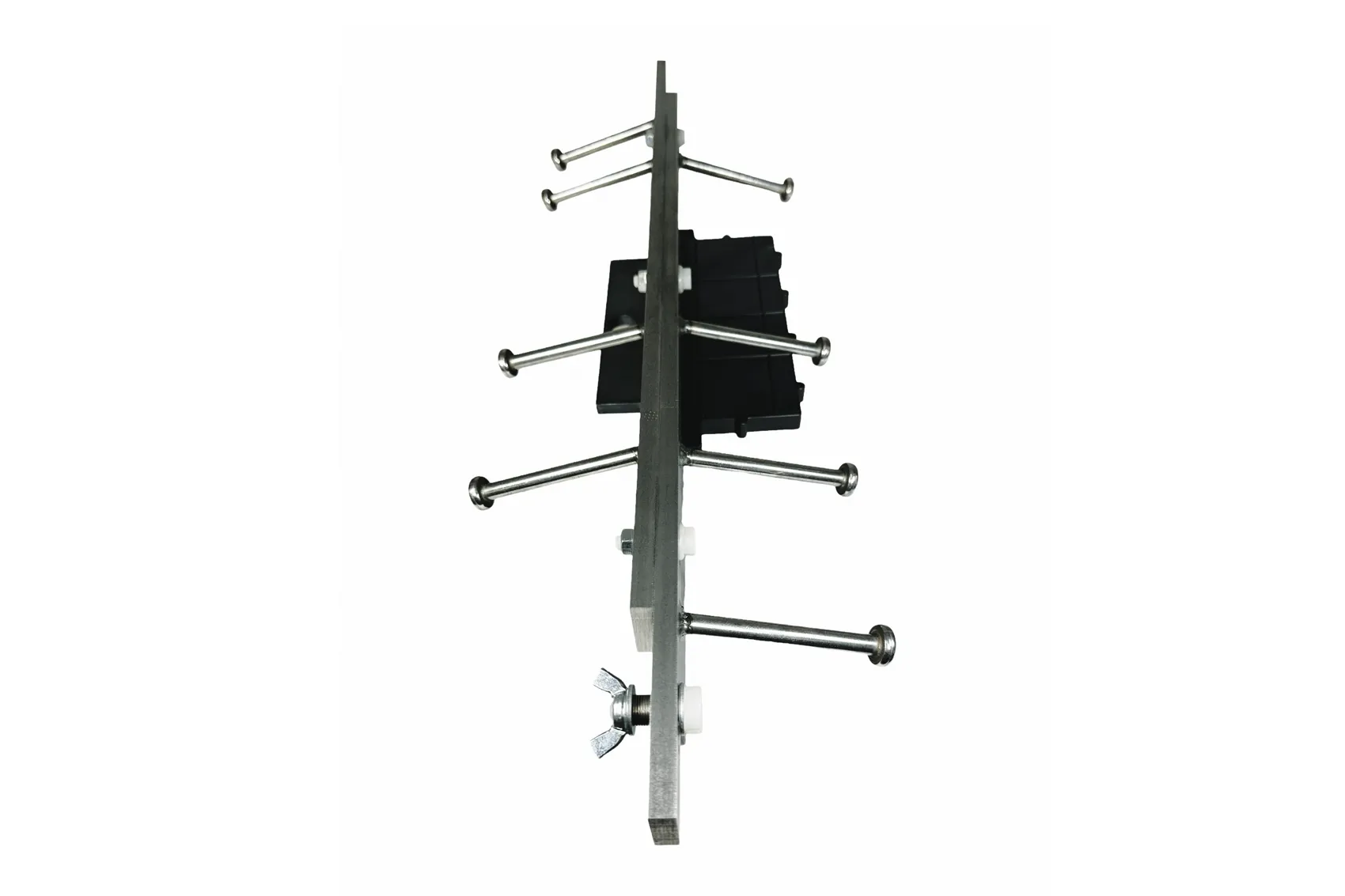 Classic (Straight) Armoured Joint Profile - has a linear, vertical armoured gap. It is characterised by a simple design, ease of installation and a wide range of applications under standard operating conditions.
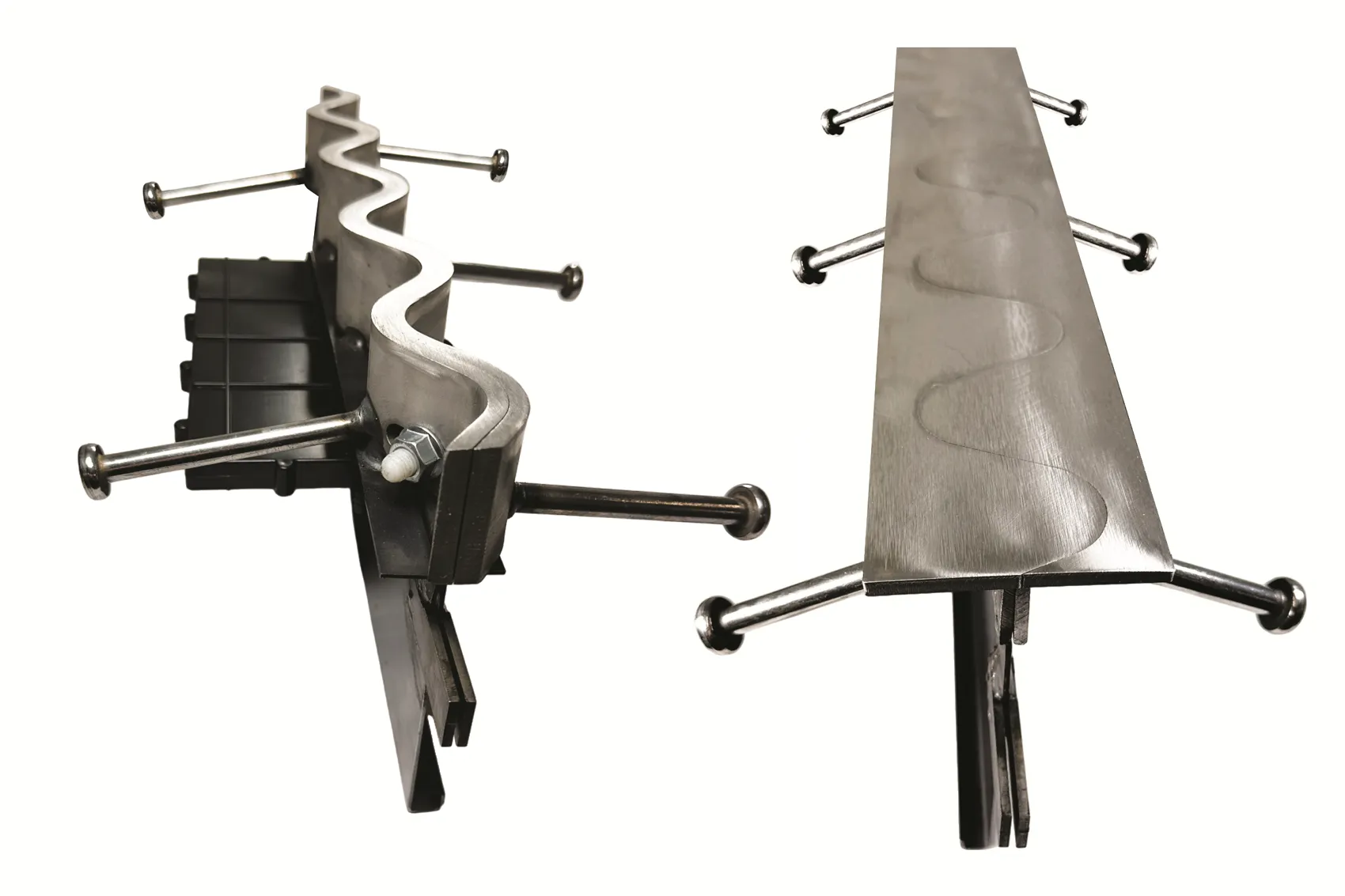 Sinusoidal Armoured Joint Profile - distinguished by a wavy upper edge, which significantly increases the contact surface between adjacent floor slabs. This solution provides better load distribution and greater resistance to edge damage.
Classic (Straight) Armoured Joint Profiles - Applications
Recommended for:
Objects With Uncomplicated Structural Geometry
Warehouses, logistics centres and other spaces with predictable load distribution are environments in which the classic profile fully fulfils its function.
High Construction Speed
Thanks to its simple form and ease of levelling, the straight profile allows quick installation and efficient project execution.
Moderate Dynamic Loading
In situations where the floor is not exposed to intensive mechanical impacts, the classic profile provides adequate movement compensation and joint protection.
Sinusoidal Armoured Joint Profiles - Applications
Recommended for:
Facilities Subjected to Intensive Dynamic Loads
Sinusoidal profiles are effective in areas with high wheel traffic, e.g. crossings, high-bay warehouses or industrial plants, where load distribution reduces the risk of damage.
Requirement to Minimise Steps at Joints
The wavy geometry reduces the occurrence of level differences between slabs, resulting in greater comfort and safety for floor users.
Projects With High Durability Requirements
Thanks to even load transfer and more effective stress compensation, the sinusoidal profile contributes to extending the floor's service life and reducing operating costs.
Comparison of Technical Parameter
| Feature | Classic (Straight) Profile | Sinusoidal Profile |
|---|---|---|
| Installation | Easy and Quick | Requires Greater Precision |
| Purchase Cost | Lower | Higher |
| Load Transfer | Point | Even, Distributed |
| Resistance to Steps | Limited | Very High |
| Application | Heavy Static Loads | Heavy Dynamic Loads |
| Durability | High | Very High |
Summary
The choice of armoured joint profile should depend on the specific technical and functional conditions of the facility. Classic profiles are suitable where simplicity of execution, low cost and predictable loads are key. Sinusoidal profiles, on the other hand, are dedicated to environments with increased usage intensity, where durability, safety and long-term reliable performance are priorities.
It is advisable to consult a structural designer or armoured joint specialist for proper system selection. A well-chosen profile is a key element in ensuring trouble-free and long-term operation of a concrete floor.
Damian Foterek