




Repair profiles such as the 06NC110-R and 06NC50-R are a practical solution that allows you to quickly restore the functionality of industrial floors where joint edges have begun to crumble or deform. In many cases, repair profiles are chosen when you need to reduce downtime and avoid the costly replacement of larger concrete sections. It's worth emphasizing from the outset that industrial repair profiles are designed to reinforce problem areas and stabilize the floor.
Joint damage most often occurs in high-traffic areas, particularly where forklifts with hard wheels operate. The edges of industrial floors gradually crumble, and vibrations from subsequent passes exacerbate this problem. Repair profiles act as reinforcement, covering the damaged area and transferring loads to prevent further damage to the floor.
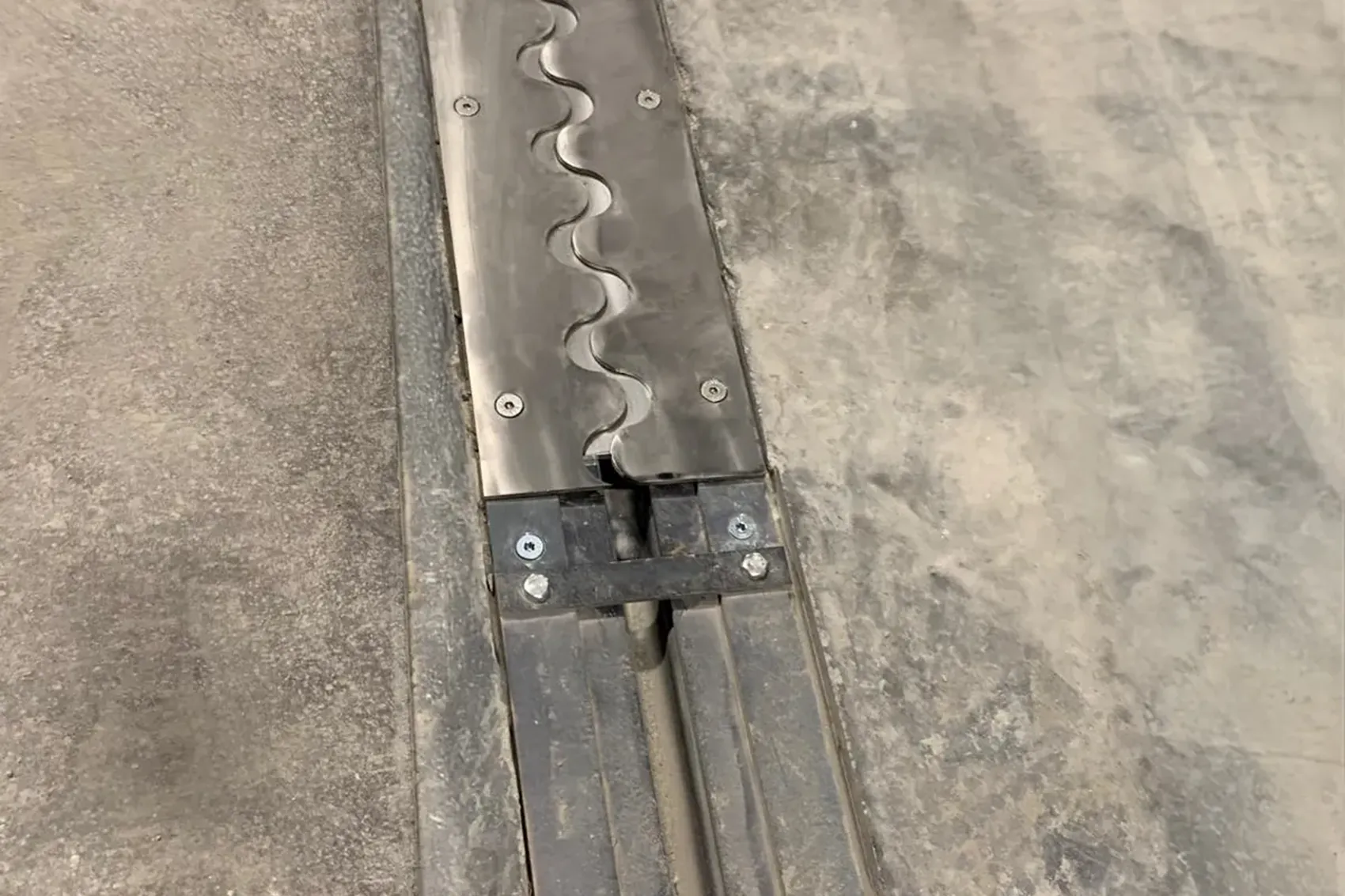
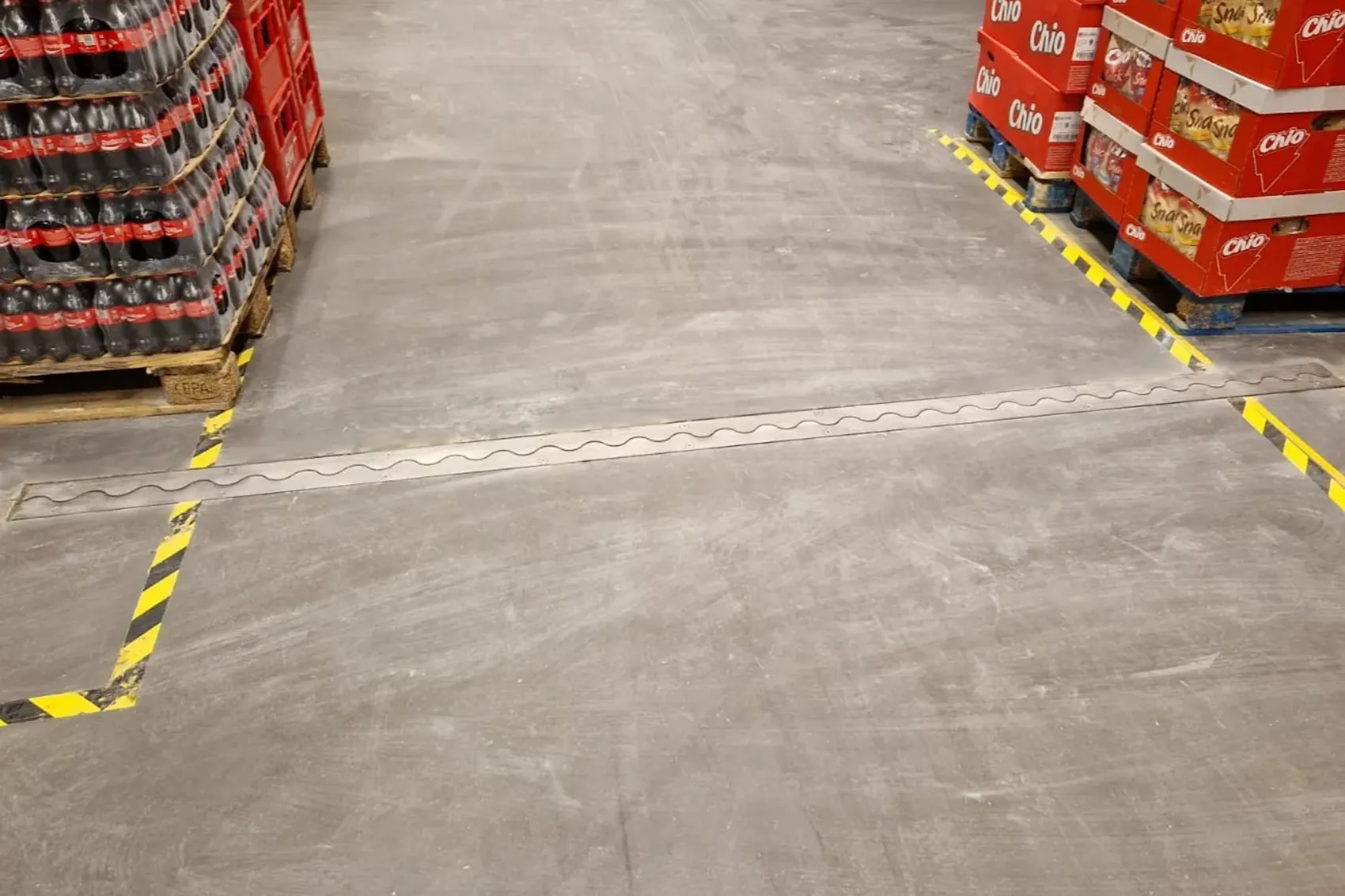
Installation of repair profiles requires only partial reworking of the existing joint. This allows work to be carried out even in active facilities, minimizing work areas. Industrial repair profiles are available in several widths and heights, allowing them to fit most floors used in warehouses, logistics centers, and production halls. The reinforced steel structure stabilizes the edges, and guide elements ensure the smooth operation of the concrete slabs.
Before selecting a repair profile, it's worth assessing the extent of the damage. When choosing a solution, consider the existing floor height and the type of traffic occurring in the facility; heavier machinery requires stronger components.
In high-traffic halls, it's recommended to install profiles with higher resistance to impacts and frequent traffic. After installation, it's worth periodically inspecting the condition of the fasteners and edges to detect the first signs of wear early. Properly selected and installed repair profiles allow for quick stabilization of the damaged joint, extending the life of the floor, and minimizing operational downtime.
Damian Foterek