




Industrial Profiles are a key component of infrastructure in intensively used facilities, where load-bearing capacity, stability, and material compatibility parameters must be managed predictably. In environments with high traffic volumes of transport equipment and significant dynamic loads, selecting the appropriate armoured profile ensures operational continuity and minimizes the risks of floor degradation.
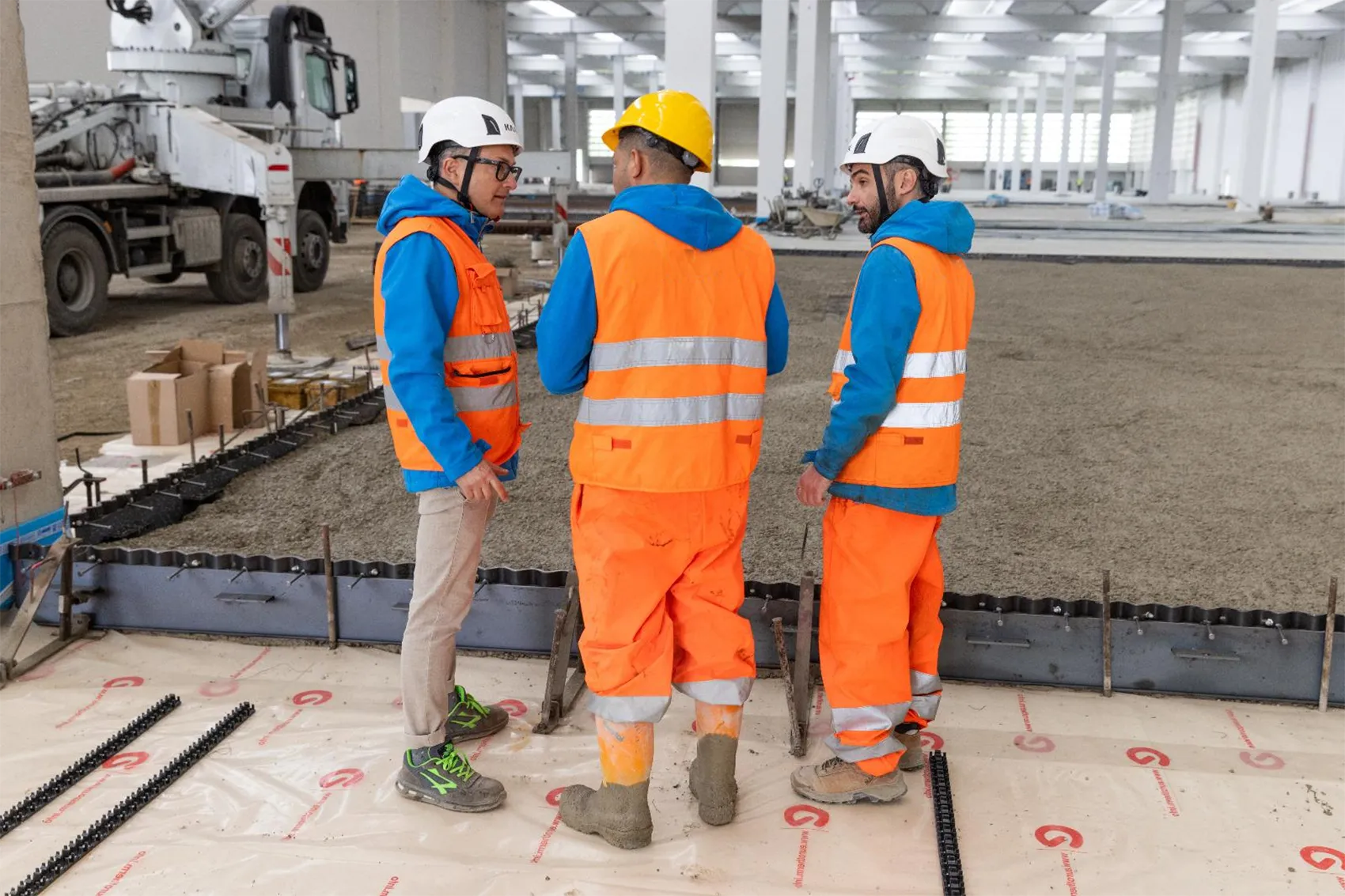
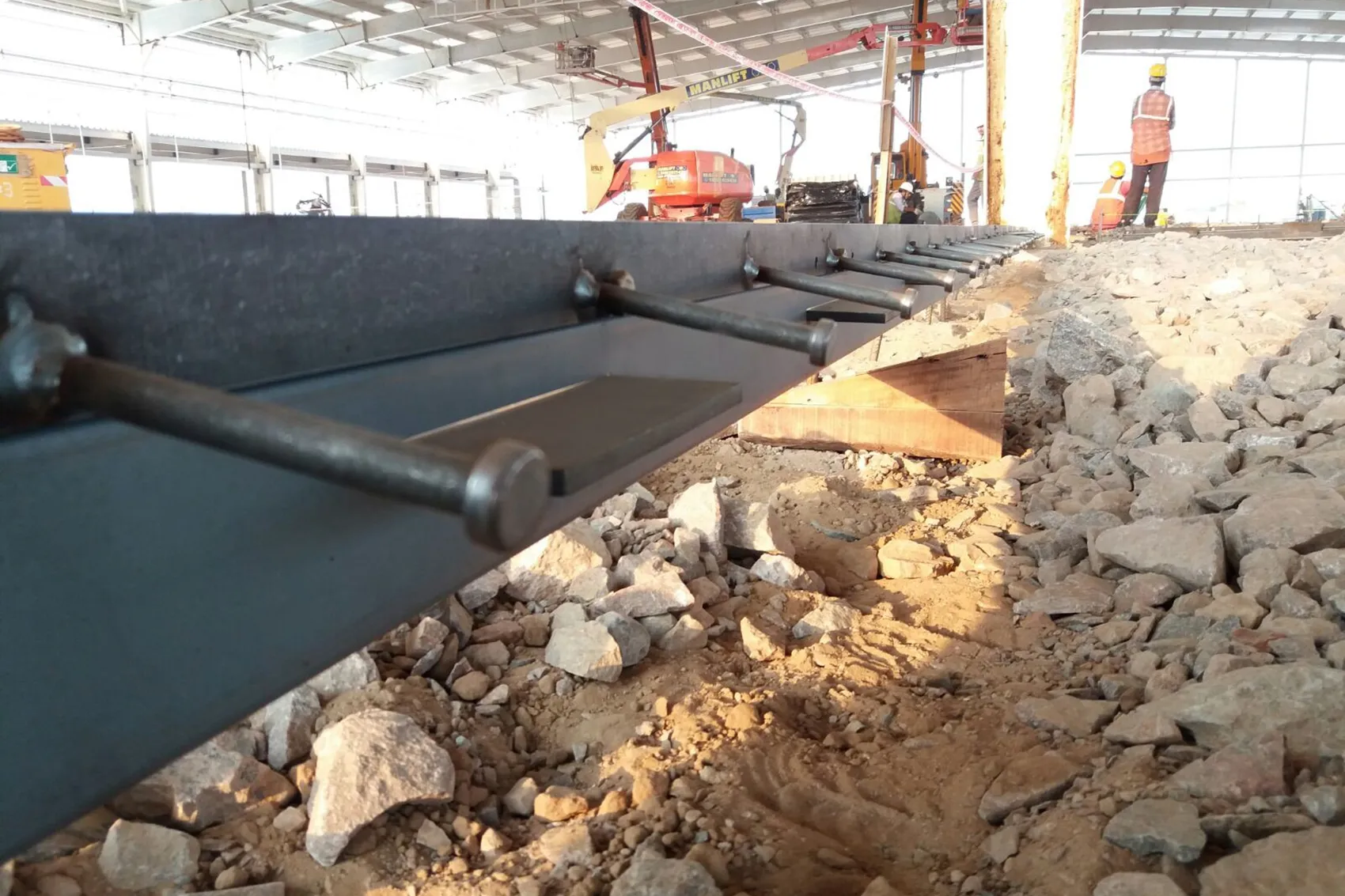
Industrial floors vary in their load-bearing structure, flexibility, abrasion resistance, and susceptibility to point loads. Therefore, each armoured joint profile must be tailored to the specific environment. Designed to work with concrete, resin, or hybrid flooring systems, industrial profiles ensure the floor's edge protection is maintained and cracks that develop during the floor's life cycle are reduced. A crucial parameter is tolerance to loads generated by forklifts or self-propelled transport systems. A poorly selected profile can lead to gradual damage to the floor, increasing repair costs and shortening the floor's lifespan. Industrial profiles ensure the continuity of armoured joints and provide resistance to lateral impacts. In spaces such as high-bay warehouses or manufacturing plants, chemical resistance resulting from production/mechanical processes becomes crucial.
Practical Recommendations
The profile selection process should begin with a dynamic and static load analysis, taking into account the transport vehicles and traffic frequency in a given facility. Flooring parameters should also be verified, including compressive strength, modulus of elasticity, and surface finish. In environments with high temperature fluctuations, it is recommended to use galvanized or stainless steel profiles with foam, which can compensate for all temperature differences. In logistics areas, minimizing downtime is a priority, reducing losses associated with floor inactivity.
Damian Foterek