




Industrial flooring is the foundation of every production, warehouse, or logistics facility. Its durability, strength, and resistance to intensive use are crucial for efficient and safe operation. One of the most important structural elements that directly impacts its service life is the armoured joint. A properly selected joint helps avoid costly repairs, reduces cracking, and protects the concrete structure from stress.
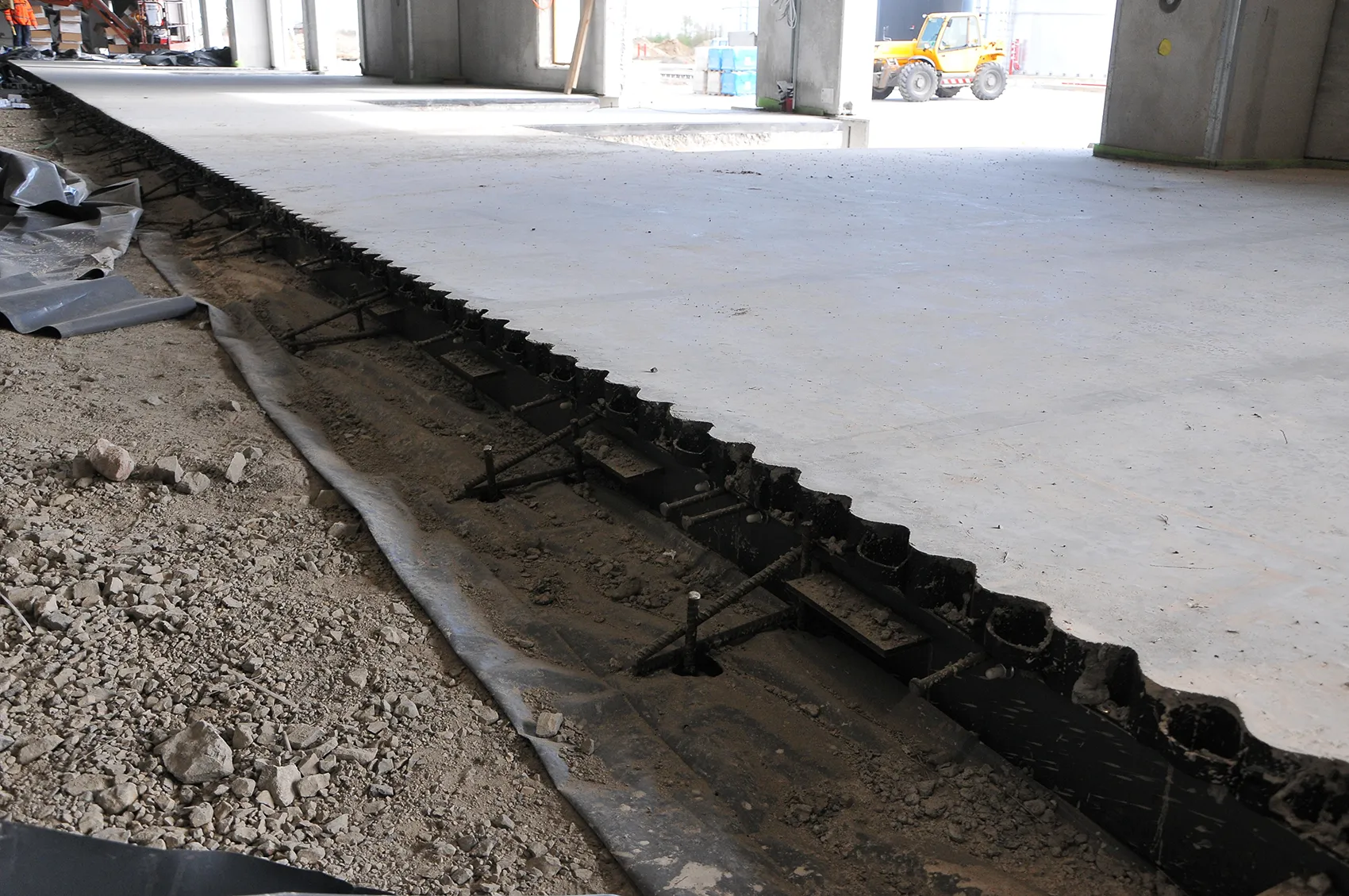
In this guide, we'll show you how to choose an armoured joint for industrial flooring to ensure the investment is durable and meets technical requirements.
Why Is an Armoured Joint Necessary in Industrial Flooring?
Every floor, especially large-scale ones, is subject to natural deformation - concrete shrinkage, thermal armoured, and dynamic loads. Armoured joints compensate for these movements, and properly selected armoured profiles perform a protective function: they transfer loads, protect the joint edges from damage, and allow the substrate to "work" without risking degradation.
How to Choose an Armoured Profile for Industrial Flooring?
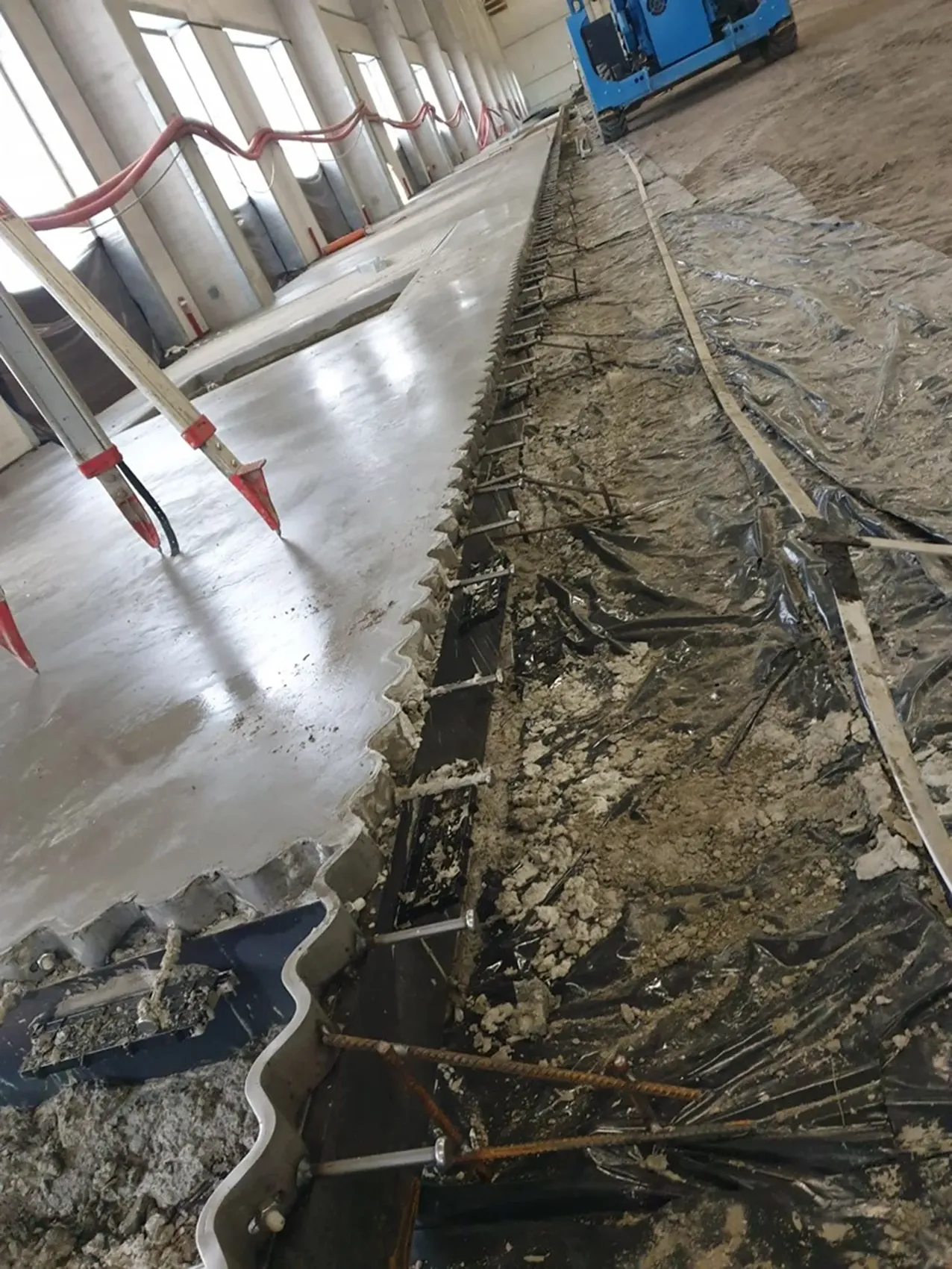
Mechanical Loads – What Kind of Movement Occurs on the Floor?
This is a key parameter when selecting an armoured profile. In industrial halls, floors must withstand the intensive traffic of forklifts, machinery, and pallets. In such cases, reinforced steel armoured profiles with anchors and dowels are used.
Floor Thickness and Type
The thickness of the slab and its composition (e.g., reinforced concrete or dispersed reinforcement) are important when selecting the appropriate profile. The armoured joint profile must be compatible with the floor structure – too low a height will not provide protection, while too high can lead to cracks.
Armoured Movement Range
The range of movement the profile must accommodate depends on the type of armoured joint (thermal, dynamic, structural). It is advisable to select an armoured joint profile with appropriate dowel strength, adapted to the expected operating conditions.
Resistance to Chemical and Environmental Factors
In industries requiring particularly high hygiene standards (food, pharmaceutical, chemical), it is essential to use armoured joint profiles made of materials resistant to corrosion and chemicals.
Ease of Installation and Service
In facilities operating non-stop, it is advisable to choose systems that enable quick installation and easy replacement of armoured joint components – e.g., profiles with modular inserts.
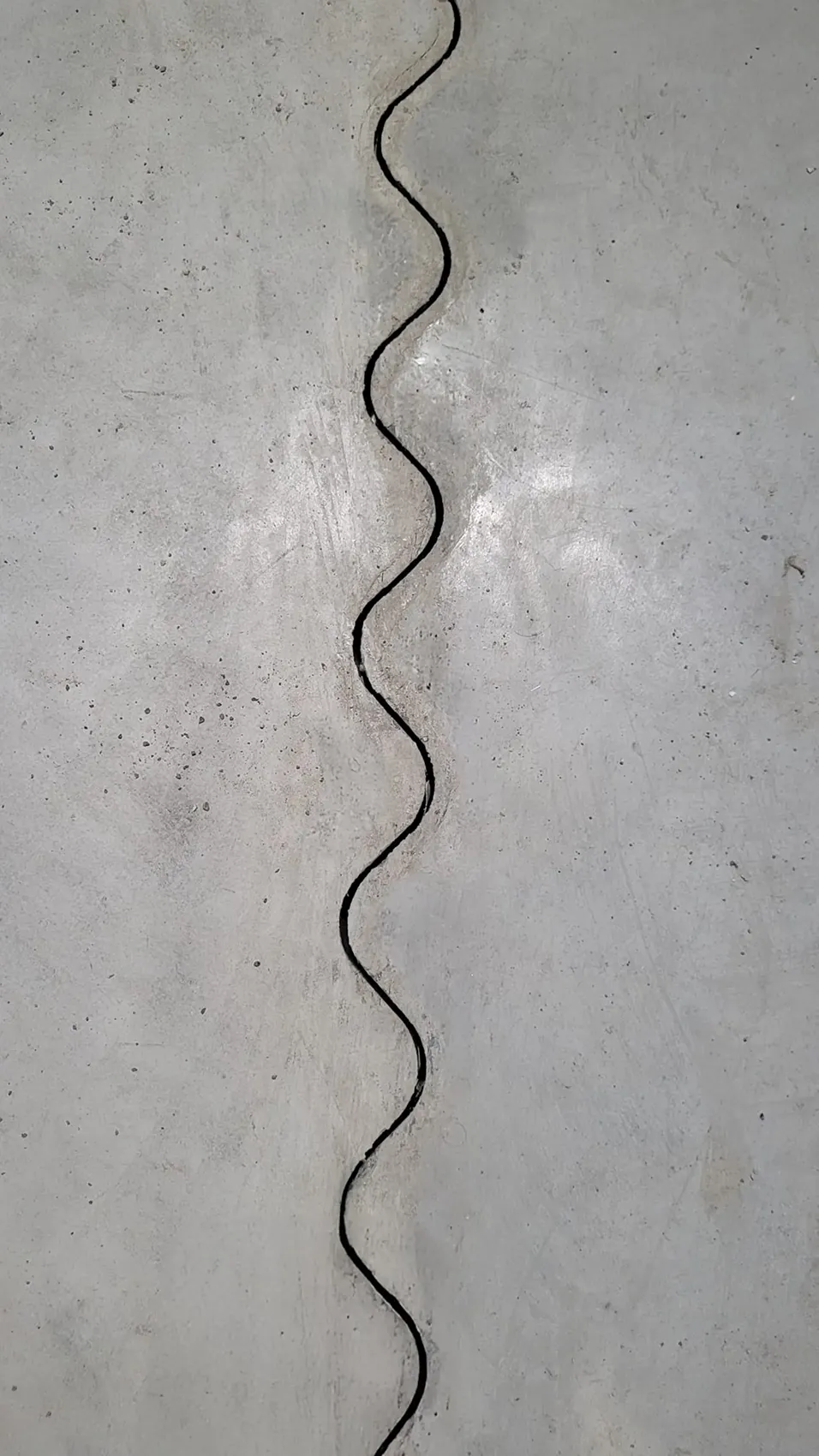
Types of Armoured Joint Profiles for Industrial Floors
The most commonly used armoured joint profiles in industrial facilities are:
- Steel profiles with anchors – for heavy loads and intensive traffic. • Omega-type profiles – allowing for greater armoured movement.
- Profiles with a neoprene seal – ensuring tightness and resistance to liquids.
- Composite profiles – lightweight, easy to install, ideal for medium loads.
Summary: Armoured Profiles Are Key to Floor Durability.
Choosing the right armoured profile for industrial flooring is a strategic decision. An incorrect choice can lead to cracking, concrete deformation, and even serious structural damage.
It's worth consulting with specialists and considering not only the technical parameters but also the operating and hygiene conditions. A well-selected armoured profile guarantees the durability, functionality, and safety of your industrial flooring for many years.
Damian Foterek