




In modern industrial construction, the durability and functionality of floors are the foundation of a successful investment. Production halls, high-bay warehouses, and logistics centers require floors that are resistant to intensive use, dynamic loads, and changing temperature conditions. This is why floor armoured joints are so important - although seemingly invisible, they play a key role in the stability of the entire structure.
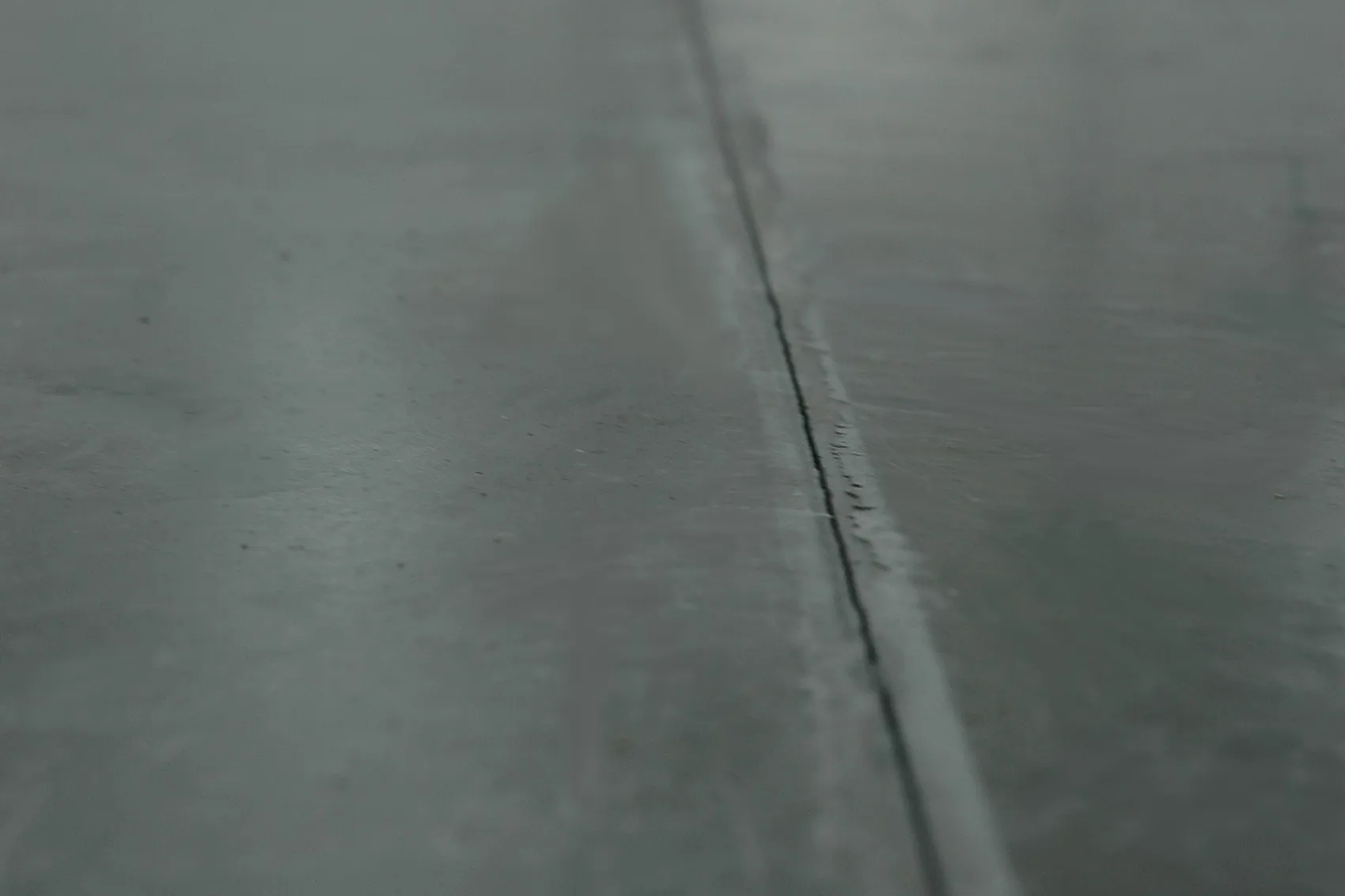

Why Are Armoured Joints So Important?
Industrial floors, especially those made of concrete, undergo natural processes - they shrink and expand under the influence of temperature, humidity, or intensive use. Without a well-designed armoured joint system, these changes can lead to cracks, deformation, and permanent damage to the surface.
Floor armoured joints are intentional technological gaps that allow the floor to “work” safely. Their proper placement and protection with profiles guarantee the longevity of the substrate.
Types of Armoured Joints in Industrial Floors
In practice, several types of armoured joints are used, depending on their function and location:
- shrinkage armoured joints - reduce stresses arising during the concrete setting process,
- structural armoured joints - separate elements with different parameters,
- thermal armoured joints - compensate for volume changes caused by temperature,
- wall armoured joints - protect the contact points between walls, columns, and floors from stress.
Regardless of the type, the key element of any system is properly selected armoured joint profiles - they protect the edges and enable safe load transfer.
Armoured Joint Profiles - What Is Worth Knowing About Them?
A Well-Selected Profile Fulfills Several Important Functions:
- protects the edges of concrete slabs from chipping,
- transfers loads between adjacent floor sections,
- enables controlled movement of the substrate.
There are many solutions available on the market - from simple steel profiles to more advanced sinusoidal or composite structures. The choice should depend on the type of floor, the intensity of loads (e.g., forklifts, racks), and operating conditions.
What Are the Consequences of Mistakes?
The lack of armoured joints or their incorrect installation is one of the most common causes of problems with industrial floors. The consequences include cracking slabs, faults, cavities, and unevenness. Such defects not only reduce work comfort but also generate high repair costs and downtime.
On the other hand, a well-designed and properly installed armoured joint system ensures:
- long-term durability of the floor without the need for intervention,
- safety for people and equipment,
- better acoustic comfort and aesthetics,
- easier maintenance.
Summary - Quality Begins Beneath the Surface
Floor armoured joints represent a small percentage of the investment cost, but their importance for the durability of the entire floor is enormous. Whether you are building a production hall, warehouse, or logistics center, it is not worth saving money at this stage.
A well-designed armoured joint layout, the right choice of profiles, and precise installation are an investment in durability and safety. It is these details that determine whether the floor will stand the test of time.
Damian Foterek