




What Are Armoured Joint Profiles and Why Are They So Important?
In industrial construction, where precision and durability are key, armoured joint profiles are indispensable components. While they may initially appear to be just lost formwork, in reality, they serve a critical function. They protect edges from damage caused by natural floor movements and prevent slab curling.
Definition and Functions of Armoured Joint Profiles
Armoured joint profiles are special elements installed at armoured joints, allowing the structure to expand and contract due to changes in temperature, humidity, or mechanical loads. They enable the building to "move" naturally without suffering damage.
Armoured Joints Can Appear in Various Forms:
- Horizontal and vertical
- In floors, walls, ceilings
- On building façades
Armoured profiles are selected based on their application area, considering factors such as:
- Load-bearing capacity
- Abrasion resistance
- Chemical resistance
- Aesthetic requirements
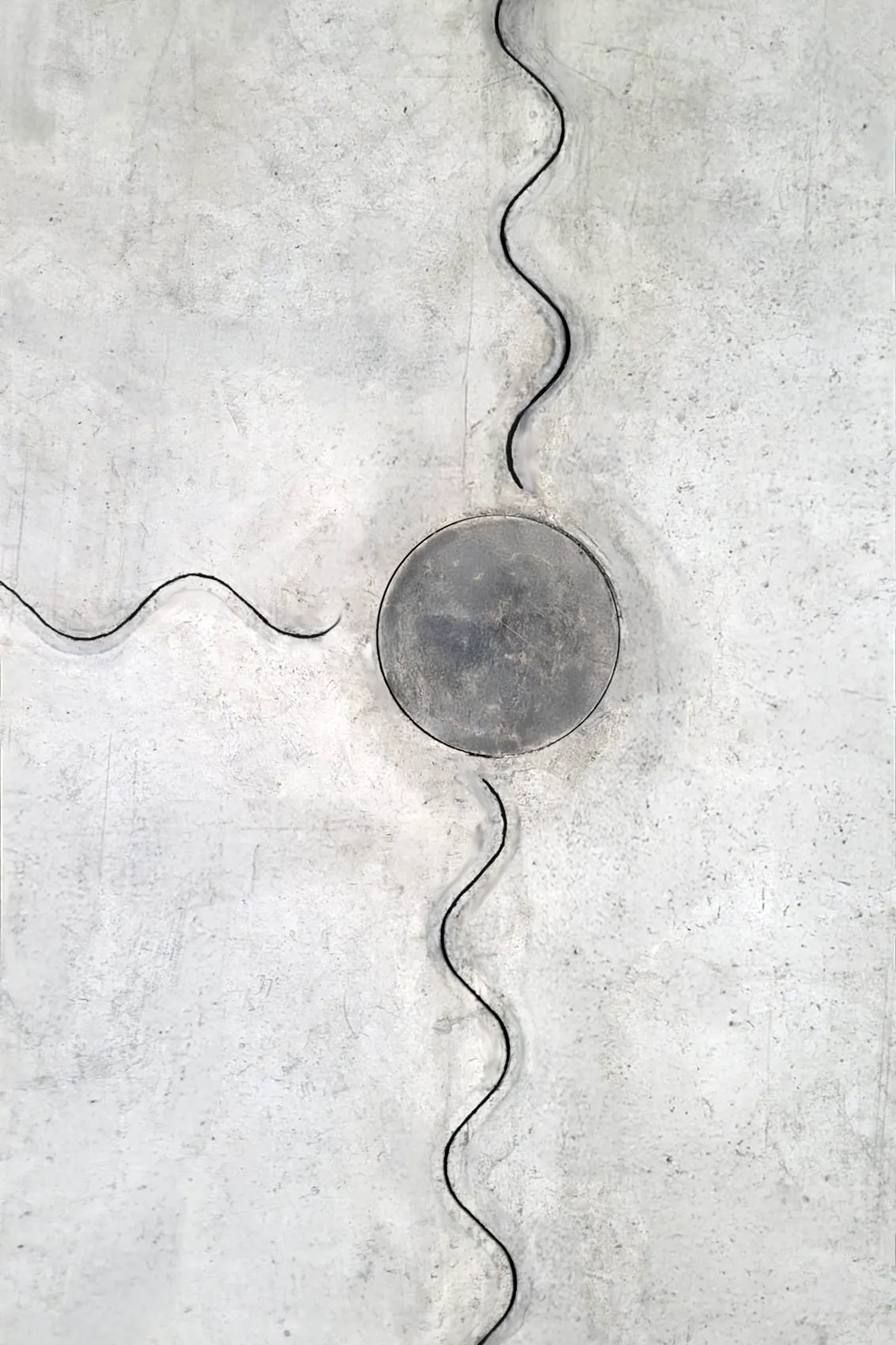
Importance of Armoured Joints in Industrial Buildings
In industrial facilities - production halls, warehouses, logistics centers - structures are exposed to much greater loads than in residential buildings. These may include:
- Intense vibrations
- Large temperature fluctuations
- Loads from machinery and vehicles
Each of these factors affects the "movement" of the building.
Consequences of Lacking Armoured Joint Profiles
A lack of properly selected and installed armoured joints can lead to:
- Cracking of concrete floors
- Faster wear of usable surfaces
- Serious structural failures
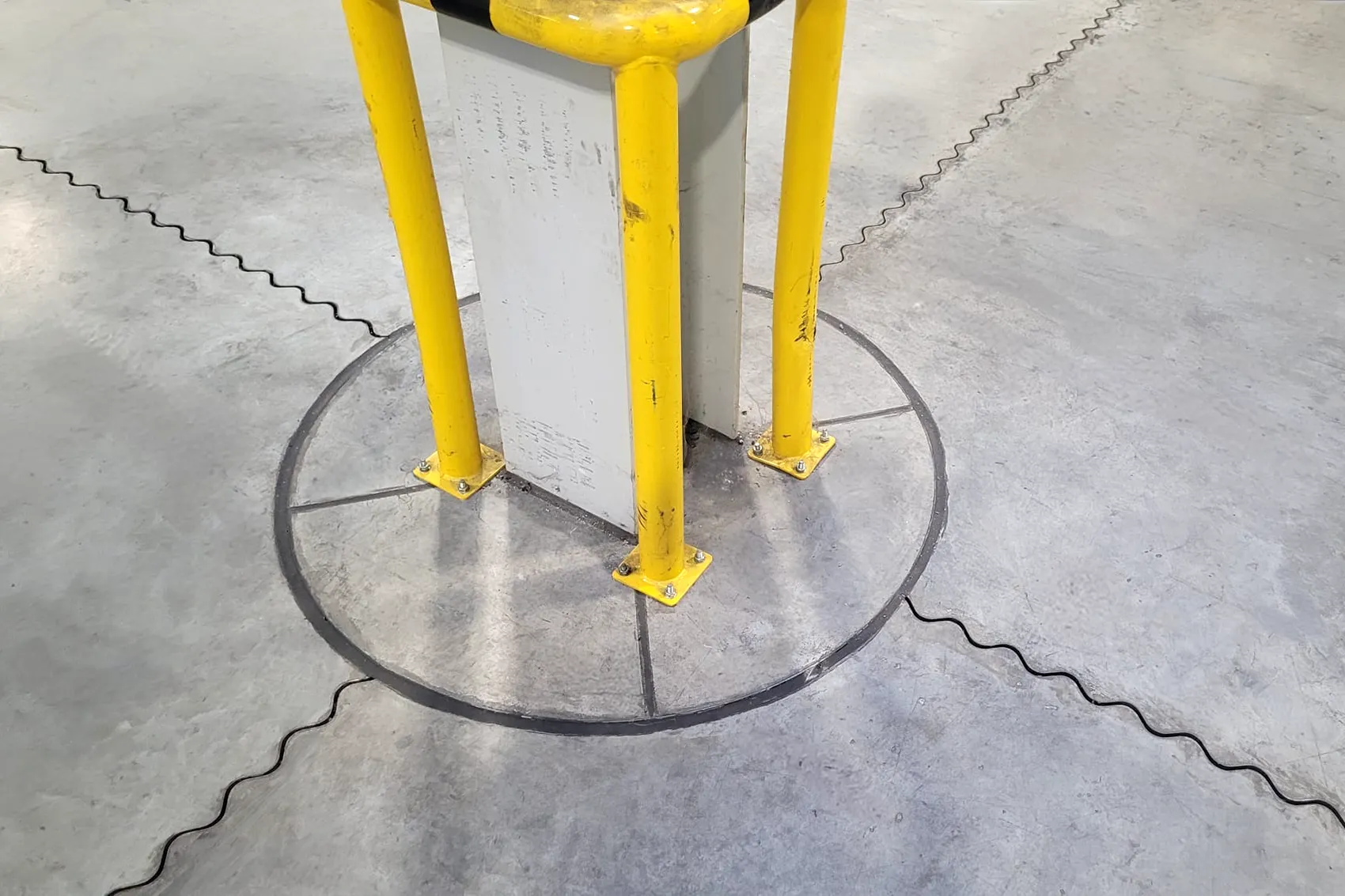
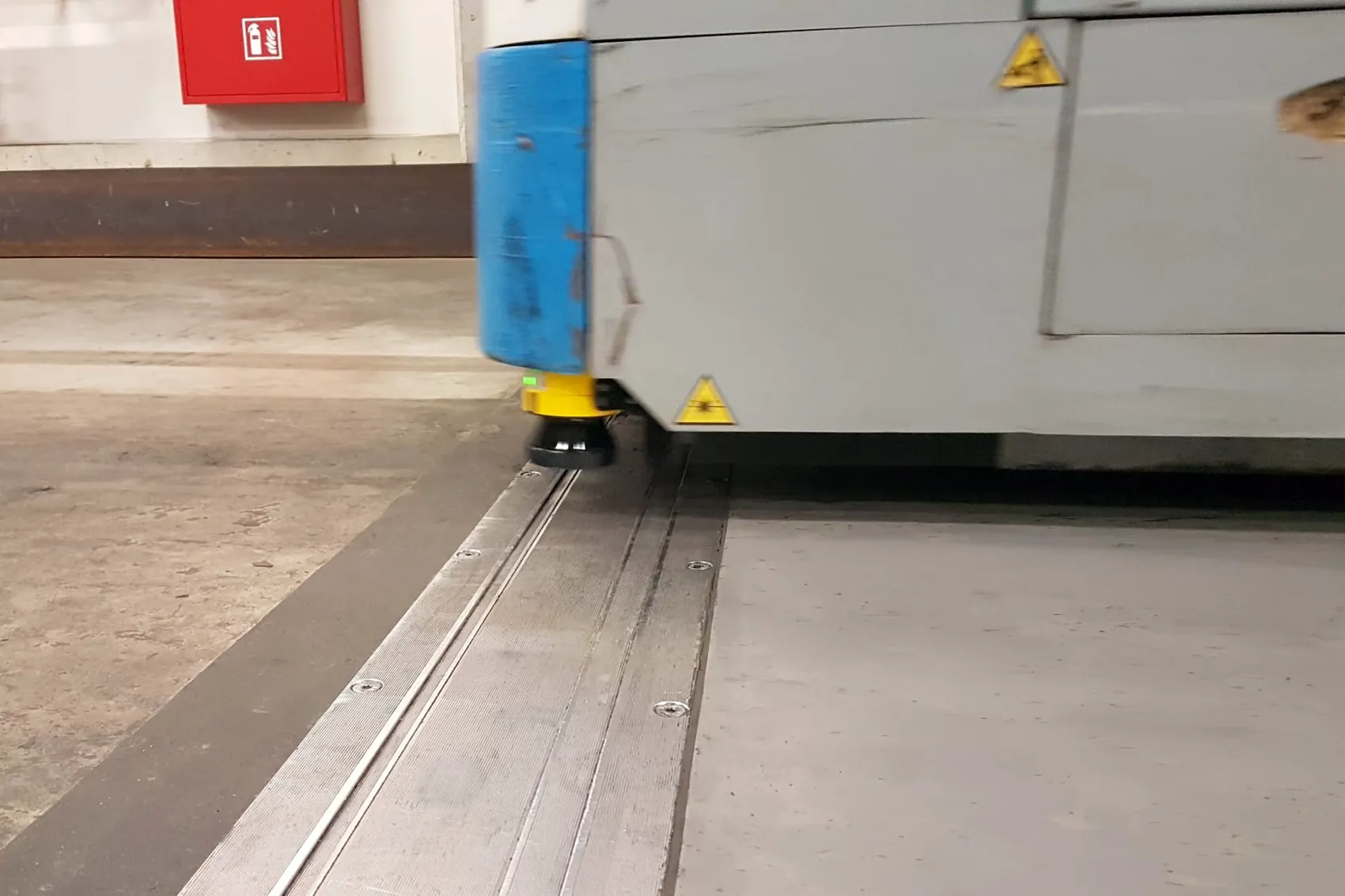
Armoured joints compensate for these movements, ensuring durability and safety of the facility.
Types of Armoured Joints - Applications Overview
Depending on their purpose, the following types of armoured joint profiles can be distinguished:
Floor Profiles
Used in concrete floors, known for resistance to heavy loads and abrasion. Ideal for production halls and warehouses.
Wall and Ceiling Profiles
Enable compensation of vertical and horizontal movements in industrial structures.
Façade Profiles
Designed for aesthetics and resistance to weather conditions. Provide thermal sealing of the building.
Fire-Resistant Profiles
Prevent the spread of fire through armoured gaps, which is crucial in industrial facilities.
Modern armoured joint profiles can also include:
- Acoustic sealing
- Waterproofing
- Fire resistance
Criteria for Selecting Armoured Joint Profiles
Choosing the right armoured profile should not be random. Key selection criteria include:
- Range of structural movement - defines technical requirements
- Type and thickness of the substrate - influences installation method
- Traffic intensity (pedestrian, vehicular, machinery) - determines durability
- Environmental conditions (chemicals, temperature, humidity) - define material requirements
- Design specifications and building codes - ensure compliance
Expert Recommendations
The selection and placement of armoured joint profiles should be consulted with an experienced designer or manufacturer of armoured systems. Professional advice guarantees optimal solutions.
Benefits of Using Armoured Joint Profiles
Armoured joints are not just a technical detail - they are a crucial structural element that ensures:
- Longevity of industrial buildings
- Safe operation of the structure
- Minimization of costly repairs
Including them in the design demonstrates engineering awareness and a commitment to quality and durability.
Conclusion
Investing in the right armoured joints means meeting technical and legal requirements, but most importantly, it minimizes the risk of costly future repairs.
That’s why it’s worth paying attention to armoured joints already at the design stage - it’s an investment that always pays off in the long run.
Damian Foterek